Not Yet!
3 min read
“Are you ready?”
“Not yet!”
We have grown accustomed to comparing Mike Leigh with Ozu. But last night, watching his new film—specifically during the collective singing meant to lift the old man’s spirits—I thought of Kurosawa and that simple exchange in Madadayo, repeated who knows how many times, amid jokes and laughter, between the former students and their ageing teacher. It did not occur to me then that this, too, was a film about ageing and death, and that it had become its late director’s farewell.
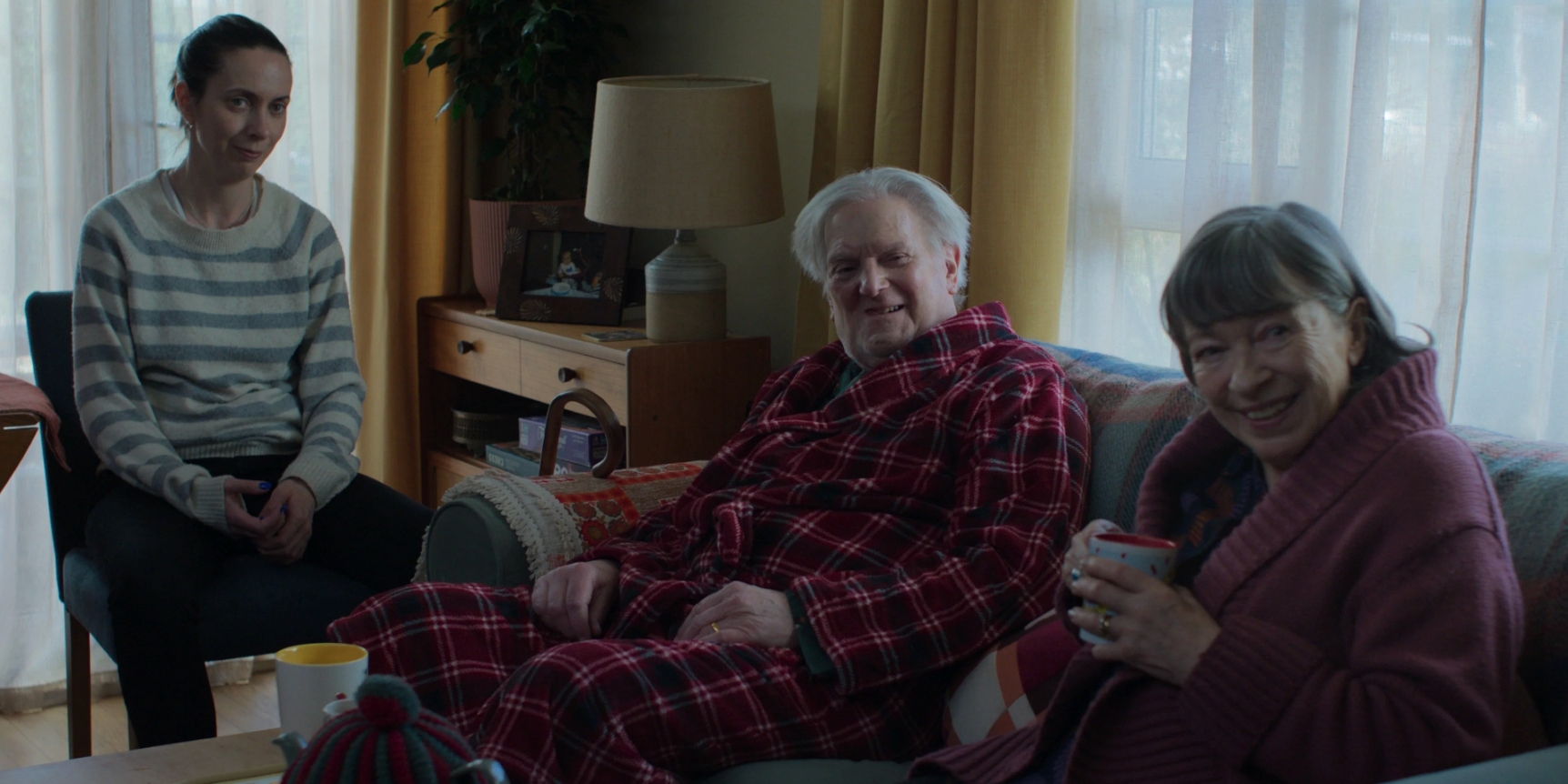
Every moment of Tender Loving Care brought Leigh’s recent words back to me: “This will probably be my last film.” How could you know that and expect it not to colour your viewing? The temptation, on such occasions, to read a work as a summation or a testament is clichéd, even cruel. Yet however much I wrestled with myself, I could not help seeing it that way. My beloved filmmaker had called his characters back: the friendship between the two women, their silliness and exaggerated gestures, recalled Career Girls, while the smile they had to keep on their faces as social workers, whatever ill-tempered person they encountered, brought Happy-Go-Lucky to mind. The lonely homeless man could have been Johnny from Naked. The elderly couple, still in love, had something of Tom and Gerri from Another Year. And their lonely, abandoned friend belonged among those despondent people who always remain somewhere outside the warmth of the gathering.
Leigh portrays a society steeped in distrust: a vulnerable society whose people need support but will not open their doors to a social worker, as though they no longer believe anyone would take a step to help them. Perhaps they trusted before and nothing changed. Perhaps, in the social worker’s face, they see an observer who has come to record and judge their lives. Yet here and there, hope and trust still endure: in the privacy of homes and small gatherings; among people drinking, talking, singing and laughing, at ease with one another; and above all, in a camera that itself embodies care and reassurance. It knows how close to come to its characters, and when to withdraw from their private space and leave them alone.
It knows how to bring our attention back to those we have overlooked—especially the old man. Each time it showed the details of his sudden frailty and collapse, I felt as though Leigh wanted me, the viewer, to understand what he meant when he said he was no longer physically capable of making films. And strangely, it was precisely in those moments that I found myself thinking of his powers: how many contemporary filmmakers—or filmmakers in the entire history of cinema—have achieved a beauty so apparently simple, yet so difficult to attain?
Not yet!
It is still far too soon…